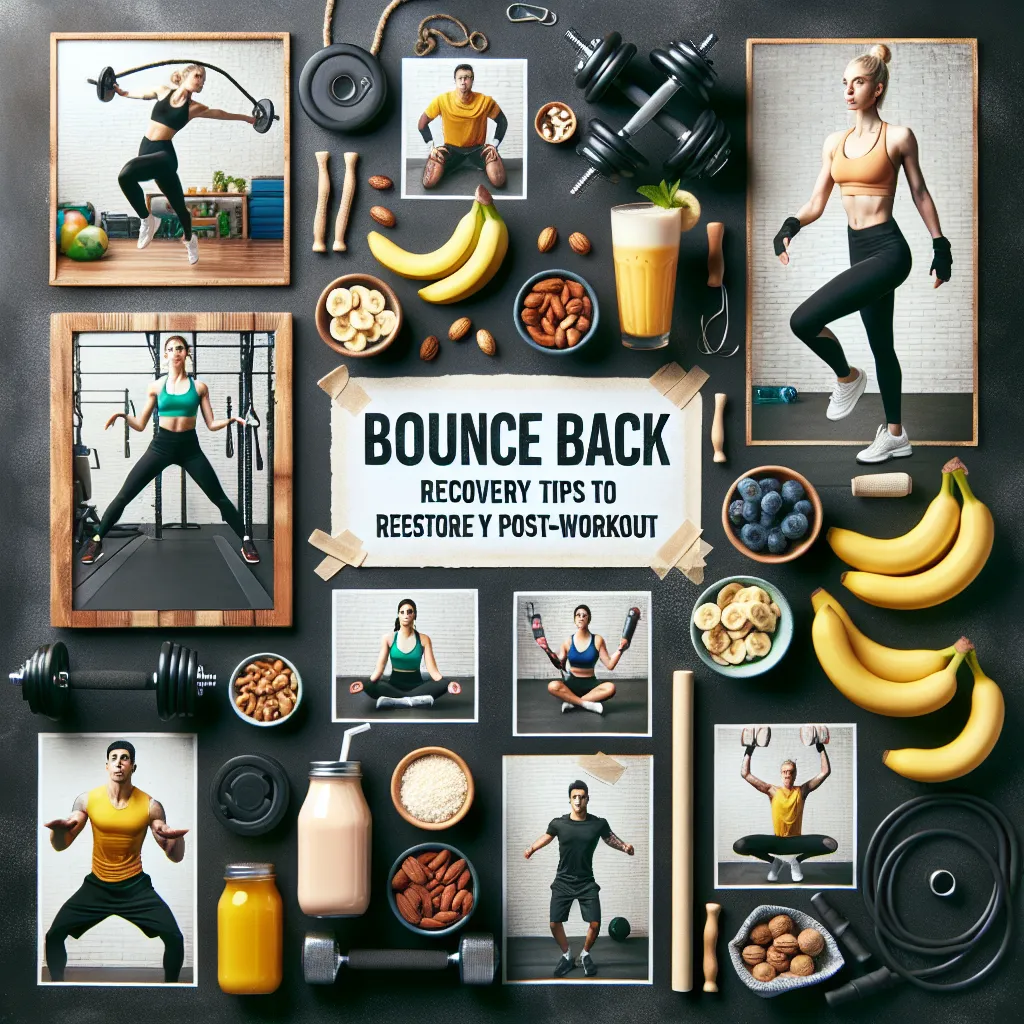
Bounce Back: Recovery Tips to Restore Energy Post-Workout
By a Veteran Health Specialist
Introduction
If you love staying active, hitting the gym or heading out for a run might just be the best part of your day. But let's be honest, the hours and days following a tough workout can feel pretty grueling. Whether you've just crushed a 30-minute HIIT session or crossed the finish line of a marathon, your body has gone through some serious wear and tear. To bounce back, reduce that heavy fatigue, and replenish your energy, you need a solid recovery plan. Recovery isn't just about crashing on the couch; it's a vital part of your fitness journey. Today, we're diving into the best ways to recover effectively so you can get your energy and vitality back up to speed!
Why Recovery is Non-Negotiable
Taking time to recover is absolutely essential for a few big reasons. When you exercise—especially during intense workouts—you're actually creating tiny tears in your muscle fibers. Recovery is the magical time when your body heals those tears, making your muscles stronger and more resilient than before. Giving your body this downtime helps prevent injuries, boosts your future performance, and just makes you feel better overall. The National Academy of Sports Medicine even warns that skipping recovery can quickly lead to burnout and make you want to skip your workouts altogether.
Understanding what makes you feel so tired after a workout can really help you nail down your recovery routine. Things like sweating out your fluids, draining your energy reserves (glycogen), and building up lactic acid are what leave you feeling drained. By tackling these issues head-on, you can quickly restore your energy and feel ready to conquer your next session.
Hydration: Your Recovery MVP
Water is the unsung hero of recovery. Every single cell in your body relies on it, and its importance skyrockets after a workout. As you exercise, you sweat and breathe out a surprising amount of water. If you don't replace it, you can easily become dehydrated, which slows down your muscle repair, leaves you feeling sluggish, and tanks your energy.
Your first step post-workout should always be reaching for your water bottle. But if you've been going hard for a long time or sweating heavily, you'll want to replenish your electrolytes, too. Think sodium, potassium, and magnesium. You can grab a sports drink, or better yet, sip on some natural coconut water—it's packed with electrolytes without all the added artificial sugars.
A super easy way to check if you're hydrated is to take a peek at your urine. A pale yellow color means you're doing great, while a darker color is your body's way of saying, "Drink more water!" A good rule of thumb is to aim for 16 to 24 ounces of water for every pound you sweat out during your workout.
Nourishment: Refuel the Right Way
What you eat after you exercise makes a massive difference. Your body is basically a sponge right after a workout, eagerly waiting for carbs and protein to refill its energy stores and start repairing those muscles. This sweet spot, often called the "anabolic window," usually lasts for about two hours after you finish sweating.
Carbohydrates are your body's primary fuel source, so after burning them up, you need to restock. Healthy options like whole grains, fresh fruits, and veggies are perfect. Pair them with a good source of protein, which provides the building blocks (amino acids) your muscles need to heal and grow. A great target to aim for is a 3:1 ratio of carbs to protein.
Need some tasty post-workout ideas? Try these out:
- A bowl of Greek yogurt topped with fresh berries and a drizzle of honey
- Grilled chicken alongside some hearty quinoa and roasted veggies
- A quick smoothie blended with spinach, banana, your favorite protein powder, and almond milk
- A slice of whole grain toast loaded with mashed avocado and a poached egg
If you're training hard for an event, prepping these meals ahead of time ensures you always have the right fuel ready to go the minute you unlace your sneakers.
Active Recovery: Keep Moving to Heal
Believe it or not, doing absolutely nothing isn't always the best way to recover! Active recovery—which means doing some light, easy movement like taking a leisurely walk, going for a gentle swim, or taking a relaxed bike ride—is fantastic for you. It gets your blood flowing, which helps flush out the waste products built up in your muscles and brings in fresh nutrients for repair.
Moving gently also helps work out those stiff, sore spots. A restorative yoga class or a gentle stretching routine can improve your flexibility while giving your mind a lovely break. The trick is to keep moving without making your tired muscles work hard.
Try weaving active recovery days right into your weekly schedule. It gives you a mental break from intense pushing and lets your body heal nicely. For instance, the day after a heavy weightlifting session, a nice walk in the park could be exactly what you need.
Sleep: The Ultimate Repair Shop
It's easy to overlook, but sleep is arguably the most powerful recovery tool you have. When you're fast asleep, your body is busy doing major repairs, healing muscles, and balancing your hormones. In fact, the human growth hormone—which is crucial for muscle repair—is mostly released while you're in deep sleep.
Do your best to get 7 to 9 hours of solid sleep every night. To make it easier, create a sleep sanctuary: keep your room cool, dark, and quiet. Creating a relaxing bedtime routine, like reading a book, meditating, or taking a warm bath, tells your body it's time to power down.
If you find yourself tossing and turning, try putting your phone and tablet away an hour before bed. The blue light from screens can mess with your sleep hormones. Also, keep an eye on your afternoon coffee habit—caffeine can linger in your system much longer than you think!
Cold Therapy: Chill Out to Recover
Cold therapy, sometimes called cryotherapy, is super popular among athletes for soothing sore muscles and taming inflammation. When you apply cold, your blood vessels constrict, which helps dial down the swelling and numbs those pesky aches.
If you want to give it a try, here are a few options:
- Ice baths: Braving a tub of cold water for 10-15 minutes
- Cold packs: Simply wrapping some ice and applying it directly to the sorest spots
- Contrast baths: Switching back and forth between hot and cold water
Just remember, everyone reacts to cold differently. Listen to your body—if an ice bath makes you miserable and tense up, it might not be the best recovery strategy for you!
Massage Therapy: Roll Away the Tension
Who doesn't love a good massage? It's not just a treat; it's an incredible recovery tool. Massages help increase blood flow, melt away muscle tension, and just help you relax. Studies even show that regular massages can speed up recovery time, aid in muscle repair, and lower your stress hormones.
Whether you treat yourself to a professional sports massage or grab a foam roller at home, working out those knots is highly beneficial. Foam rolling is especially great for breaking up tight spots and encouraging fresh blood flow to your tired muscles.
Mindfulness: Recovery for Your Brain
We spend so much time focusing on our bodies that we forget recovery is mental, too. Hard workouts can be mentally exhausting! Taking a few minutes to unwind and practice mindfulness can melt away that mental strain. Simple practices like deep breathing exercises or a short meditation can ground you and bring a sense of total calm.
Try adding just 5 to 10 minutes of quiet deep breathing at the very end of your workout. It connects your mind and body, and leaves you feeling centered, refreshed, and truly recovered.
Putting It All Together
If you want to feel your best, try putting together a recovery routine that hits all the right notes. Here is a sample plan you can try after your next big workout:
- Drink a big glass of water or an electrolyte drink right after you finish.
- Grab a tasty, balanced snack with carbs and protein within 30 minutes.
- Do a few minutes of light, active movement to keep your blood flowing.
- Spend some time stretching or doing yoga to ease out the tension.
- Grab your foam roller to smooth out any tight muscles.
- Top it all off with a fantastic, restful night of sleep.
Final Thoughts
Treating your recovery with as much respect as your workout is the secret to long-term fitness success. By making sure you hydrate, eat well, rest up, and take care of your mind, you'll keep your energy levels soaring and be ready to tackle whatever comes next. Remember, your body is incredibly smart—listen to what it's telling you and adjust your recovery to fit exactly what you need. Embrace the downtime, and you'll absolutely love the results!